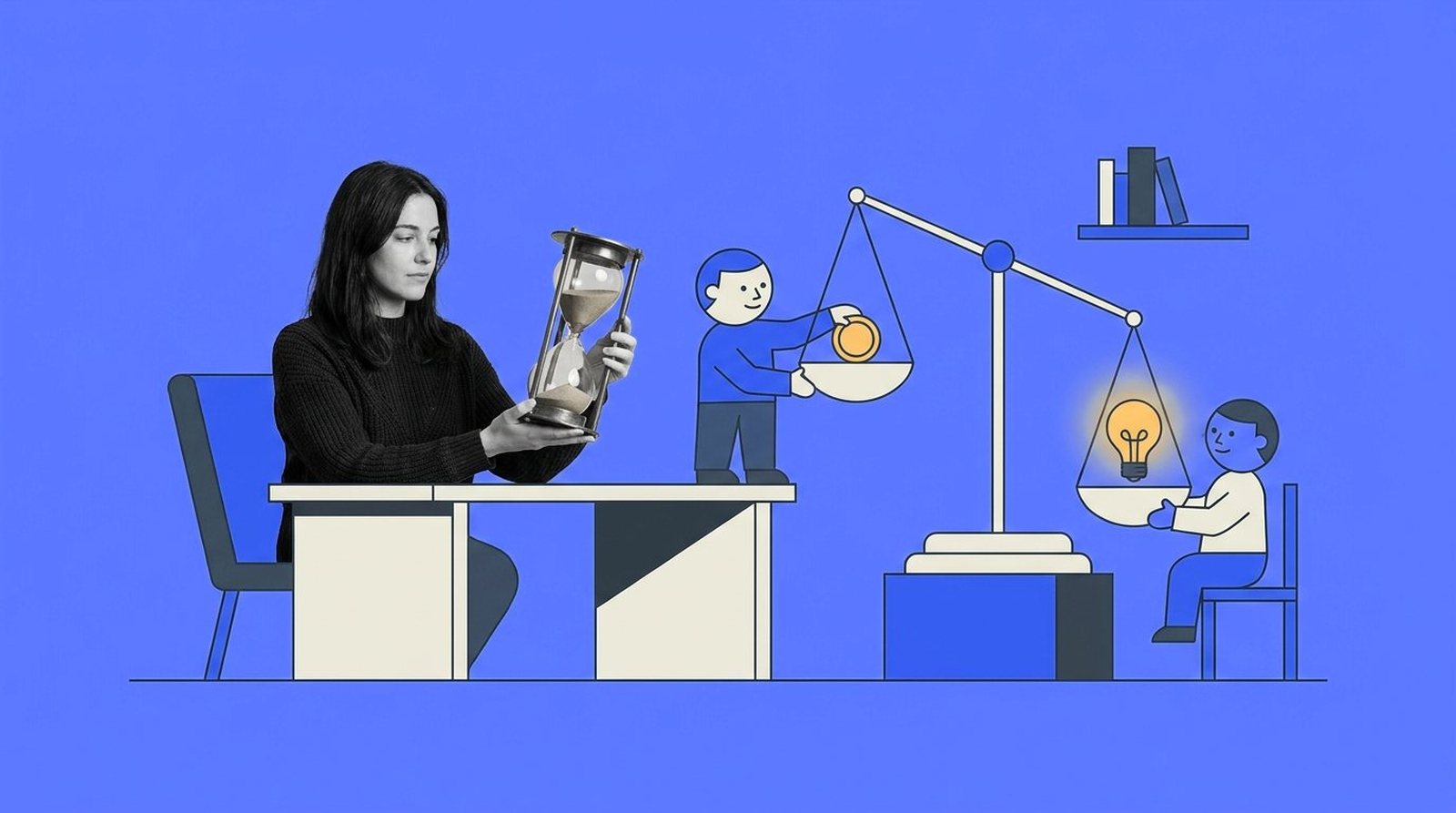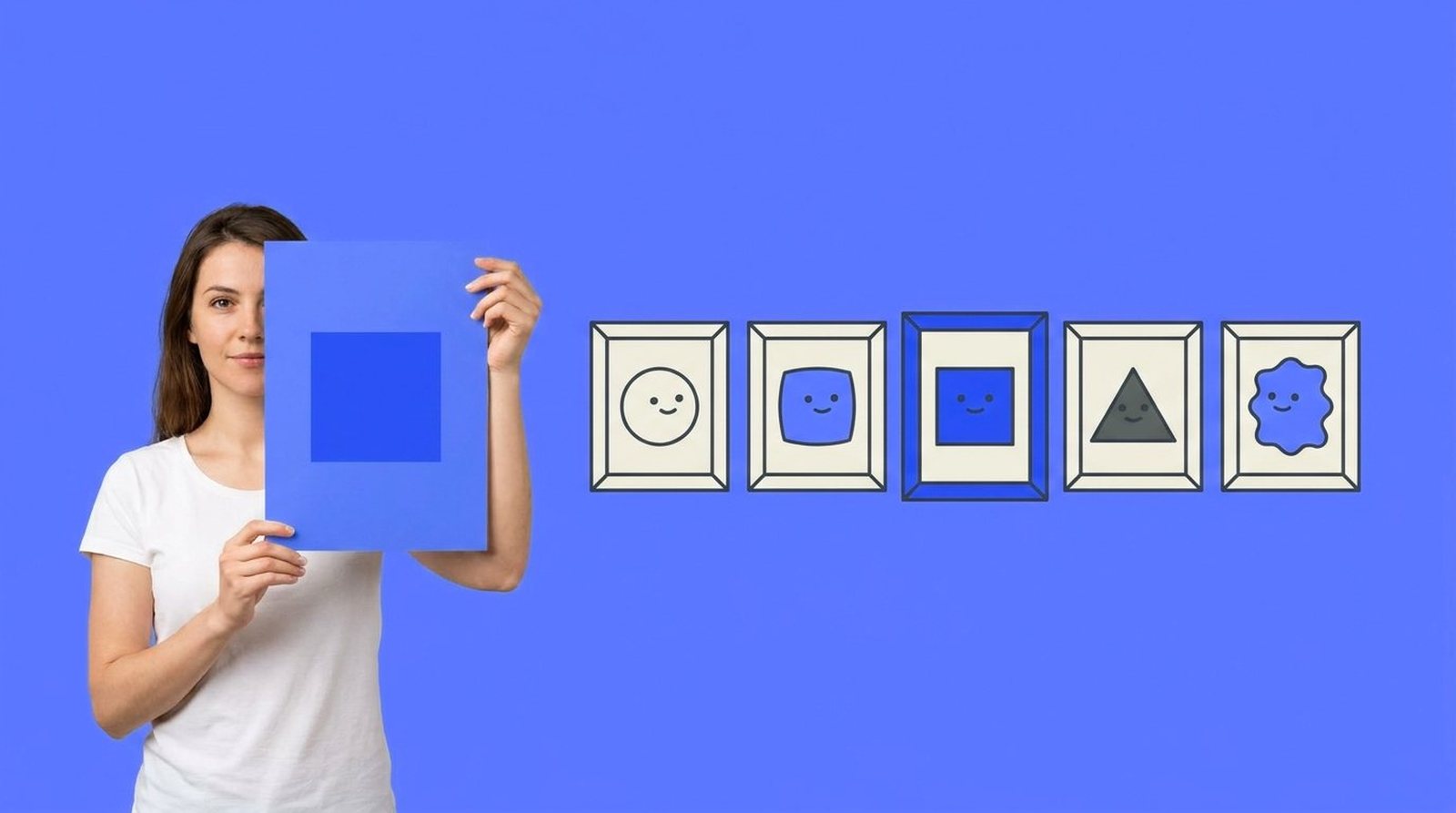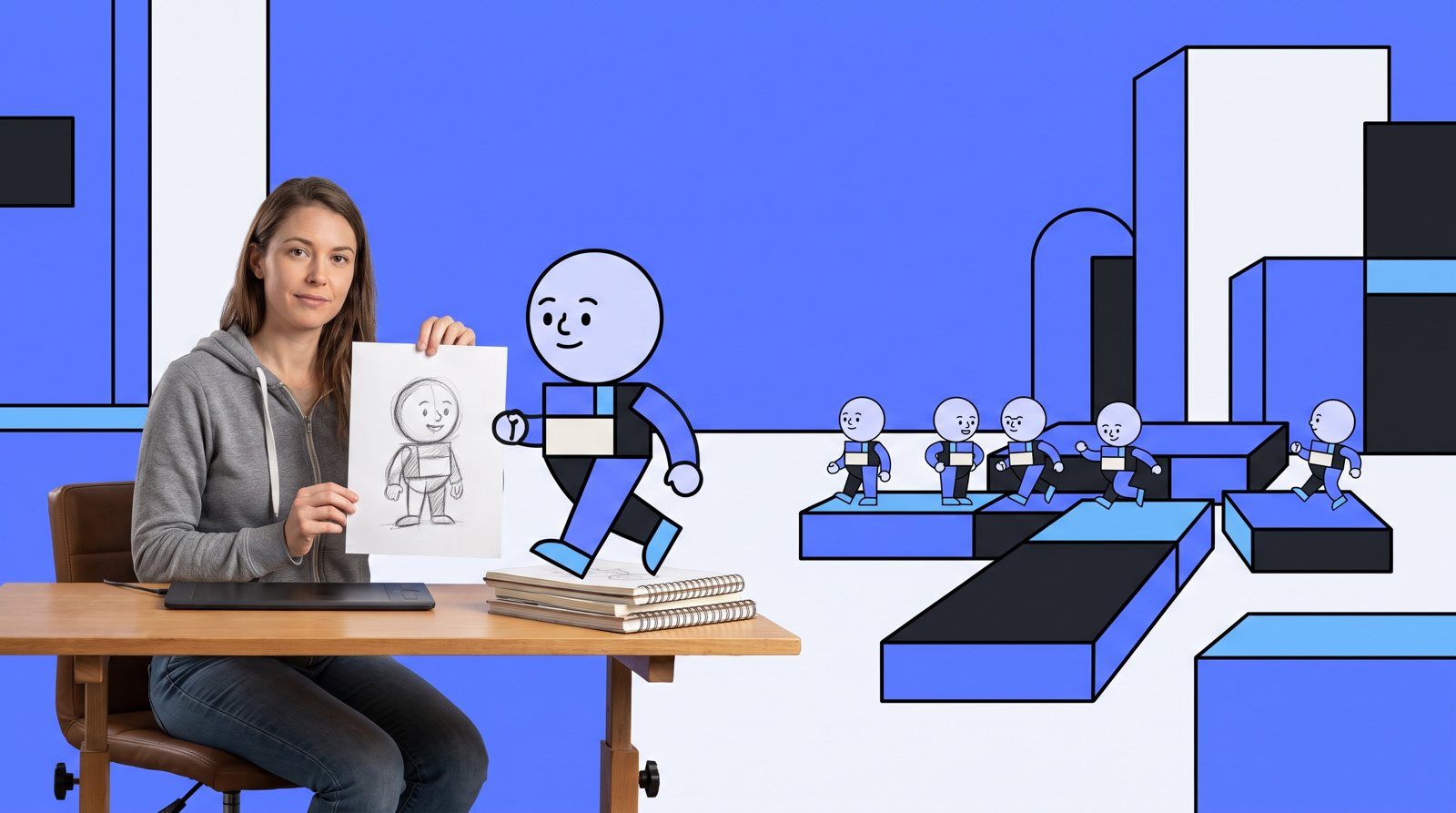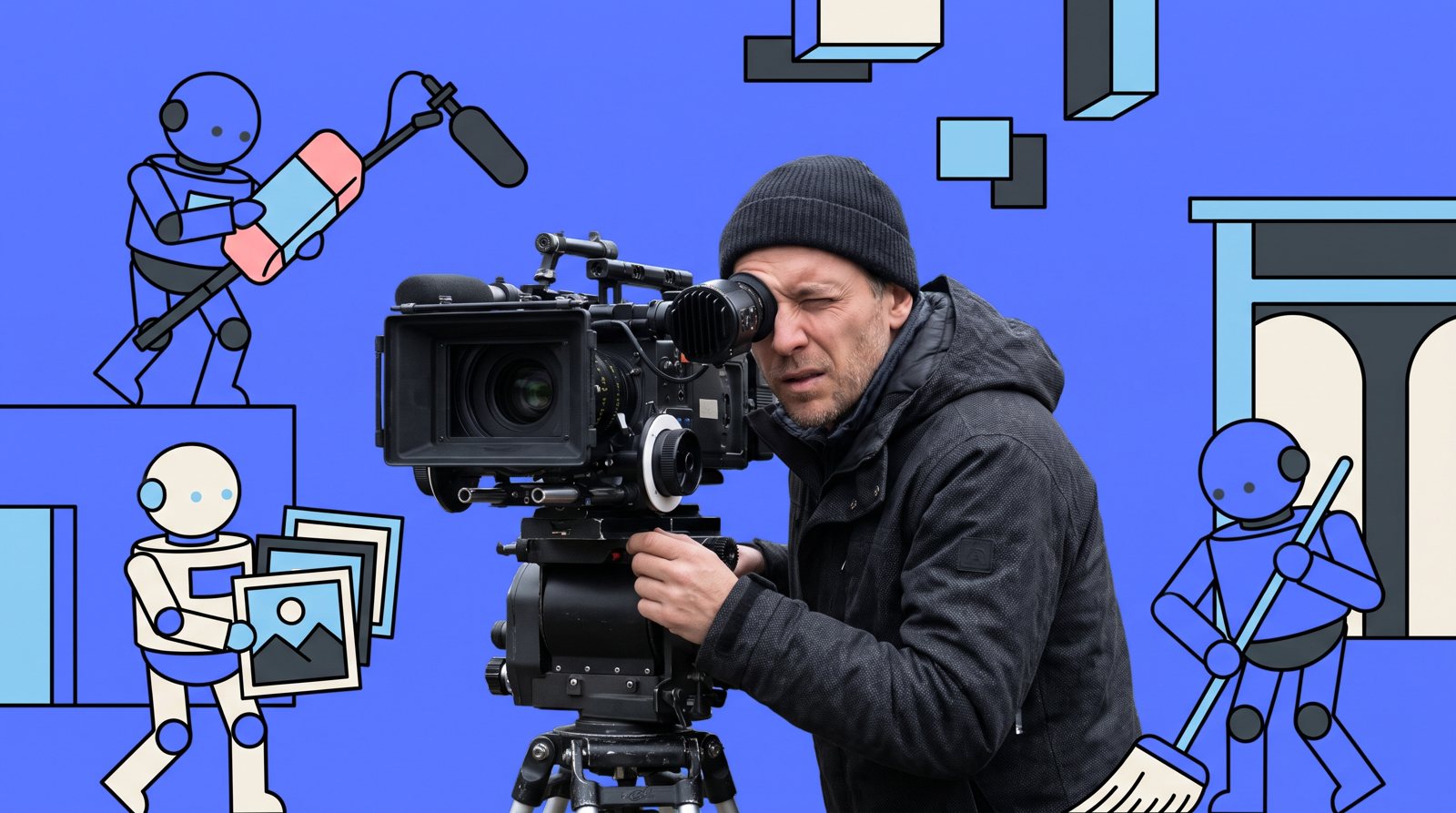
We make a lot of films, and these days AI tools touch a good number of them somewhere along the line. Not in the way the headlines promised. Nobody types a sentence and gets a finished commercial. What actually happens is quieter and more useful: AI does the grunt work that used to eat a Tuesday, and we get more hours for the part that matters.
So here's the honest version, from people who open these tools every week and also still load a real camera into a van.
Where it genuinely saves us time
Look-dev and concept frames. When we're shaping a pitch, we can generate twenty versions of a mood in an afternoon: the grade, the light, the feel of a room. It used to take a stills shoot or a long evening in Photoshop. Now a director can show a client what's in their head before anyone signs anything. That alone has changed how we pitch.
Then the unglamorous wins. Cleanup: removing a boom, a logo we don't have rights to, a crew member caught in a mirror. Upscaling older footage a client wants to reuse. Generating plausible b-roll for a backplate, a screen insert, a city we couldn't afford to fly to. Some VFX that would've meant a real budget line now costs an afternoon of compositing. None of it is the hero shot. All of it adds up.
The tools in 2026 are genuinely good at texture, light, and short fragments. They are good at "more of this." They are good at filling in.
Where it still falls on its face
It cannot decide what's worth filming. That's the whole job, and it's a human one. Knowing that the story isn't the product, it's the nurse's hands at 6am, or the silence before someone answers. AI will happily generate the obvious thing beautifully. The obvious thing is usually wrong.
It can't feel a room. A real performance has timing AI doesn't have: the half-second a face holds before it breaks, the look between two actors who actually mean it. Generated people are getting eerily close and still land in the uncanny middle, fine in a two-second cutaway, hollow the moment a scene asks them to carry weight.
And taste. The last ten percent, the bit where you know a shot is nearly right but not yet, is judgment built over years. The tools give you a thousand options. Choosing the one that's true is still on you.
How we actually use it
We treat AI like a very fast, very literal junior. Brilliant at fetching, rendering, cleaning, iterating. Hopeless at deciding. So we let it carry the load on the repetitive and the speculative, and we keep cameras, actors, and human judgment on everything an audience will actually feel.
The studios that lose are the ones who think the tool is the filmmaker. It isn't. It's a better brush. You still have to know what you're painting.