On 8 October, Intermarché announced that 700,000 plush wolves would be in its stores by the end of November. The wolf comes from a two-minute animated Christmas film the French retailer released last December: a lonely wolf learns to cook vegetables so the other animals in the forest will let him join their meal. The French media site Ozap counted nearly 30 million views within days. In January the wolf became the brand's official mascot, and this autumn the retailer's boss said on French radio that he was afraid they would run out of stock.
A Christmas ad that turns into a product line is rare. The idea underneath it is not. In August, the New Zealand retailer The Warehouse brought back its Kiwi mascot after twenty years away, in a five-part episodic series on YouTube, TikTok and TVNZ+, launched with missing-person posters and a hotline that drew more than 100 tips from the public. In the Netherlands, Ziggo introduced an octopus this summer, built with Not Just Any and Brothers & Sisters and positioned from day one as long-term brand IP. The branding agency EPIC summed up the trend in June: when brand identities start to look alike, a character is something people recognise even without a logo, and social platforms reward a face that can react.
Why a character works harder than a campaign
A campaign has a start date and an end date. A character can keep going. Once people know it, every new piece of content starts with a head start: a six-second clip, a sticker, a packaging detail or a plush toy all borrow from what the audience already feels for it. That is what makes animation such a good home for brand characters. An animated character does not age, has no schedule, and can be anywhere the brand needs to be.
The Warehouse's creative chief made a useful point at launch. He said many brands use mascots as quick social content generators, and that they wanted something different: a story first. That is the risk on the other side. A character that only exists to fill a content calendar wears out fast. One that has a personality, a want and a world can carry a brand for years.
What AI changes, and what it doesn't
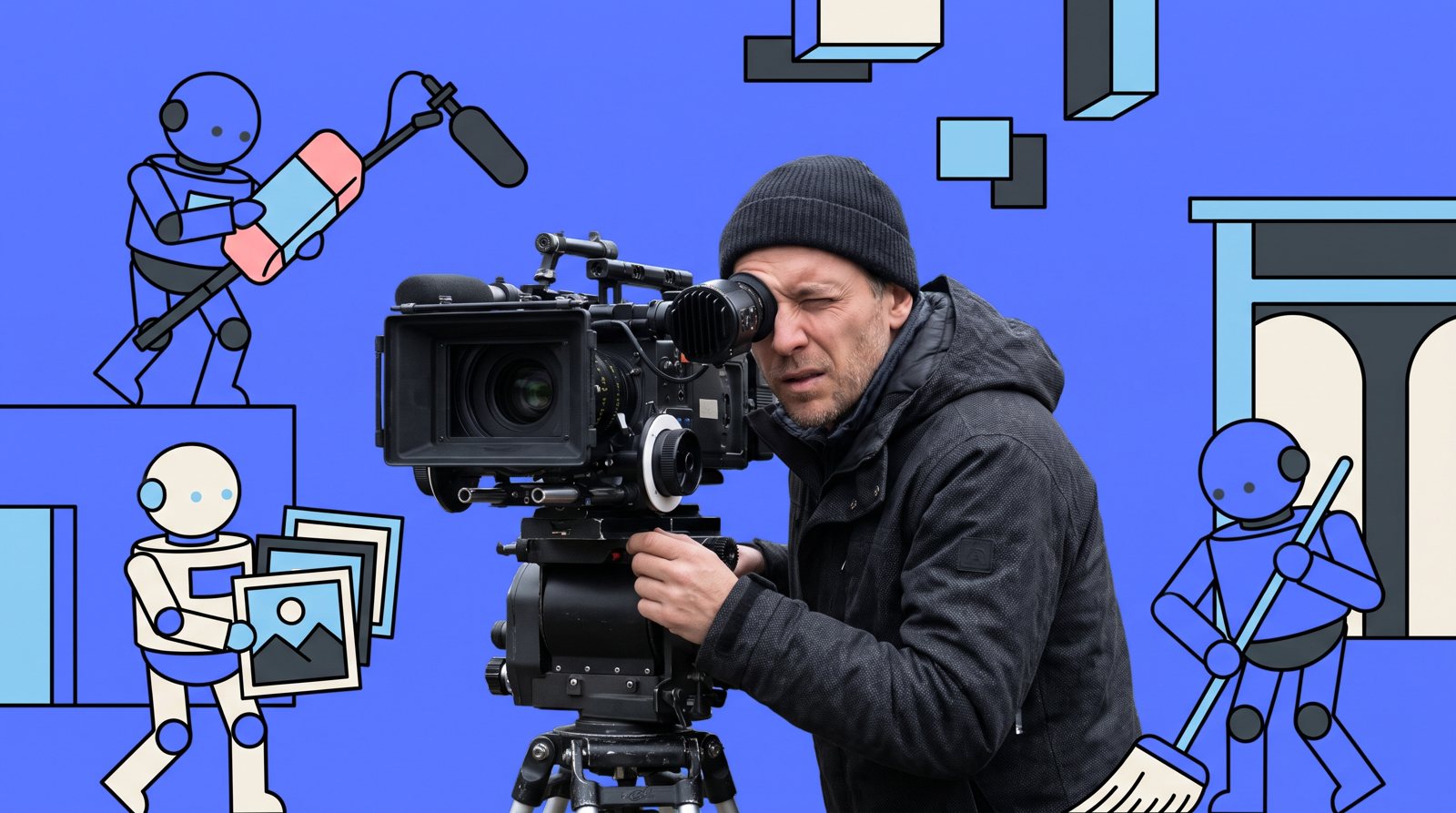
This is where the tools have moved. Writing at the end of last year, the creator Stef Hamerlinck, in his newsletter Marcel's Lab, noted that keeping a character consistent across dozens of poses, long the weak spot of image models, had become largely workable with the newer editing models. Facial features in animation, he added, still drift. Ziggo's partners describe the same balance: an AI-assisted pipeline to speed up character design, rigging and motion tests, so the team could spend its attention on movement, performance and skin detail.
So the expensive part of a brand character has shifted. Producing the fiftieth variation is getting cheaper and faster. Designing the first one, deciding how it moves and what it would never do, and directing a performance people care about, is still craft. Intermarché's wolf was made by a team of more than sixty artists at Illogic Studios over more than six months. That is the part that made millions of people watch.
Where to start
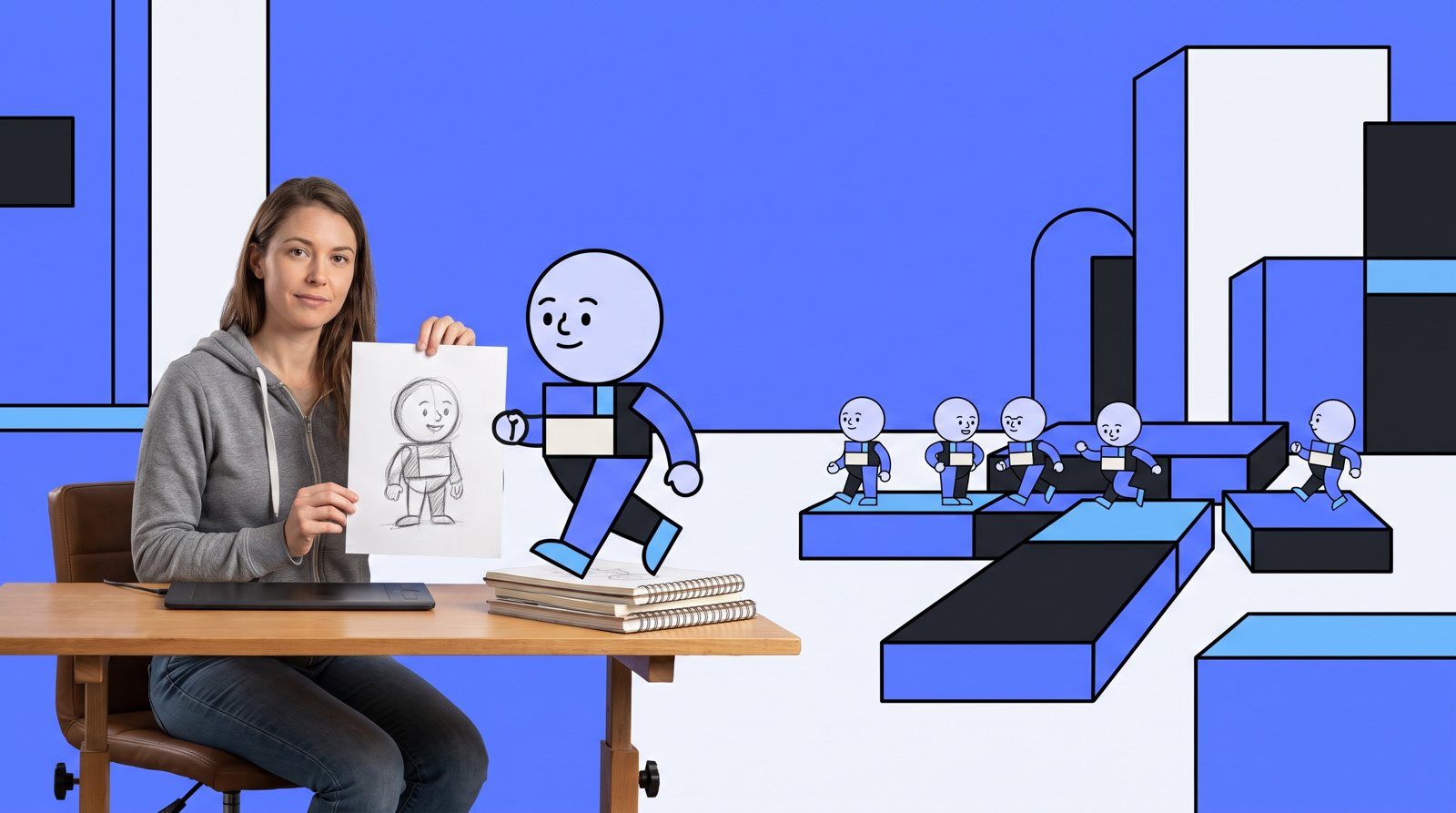
If a character could work for your brand, start smaller than a film. Start with a character bible: a model sheet from front, side and back, a handful of expressions, how it moves, how it sounds, how it sits next to your logo, and three things it would never do. That document is what keeps the character recognisable whether an animator, an illustrator or an AI tool is drawing it, and it is the reference you test every new piece against.
Then give it one small story instead of a campaign, and plan the formats it will live in from the start: a short for social, a loop for the website, stills for print, maybe something you can hold. Make sure the design, the rig and the master files are owned by the brand, so the character can travel to the next agency, studio or tool without starting over.
Characters, worlds and the animation that brings them to life are among the things we enjoy making most. If you have a character waiting in a sketchbook, or a brand that could use one, we would be glad to think it through with you.