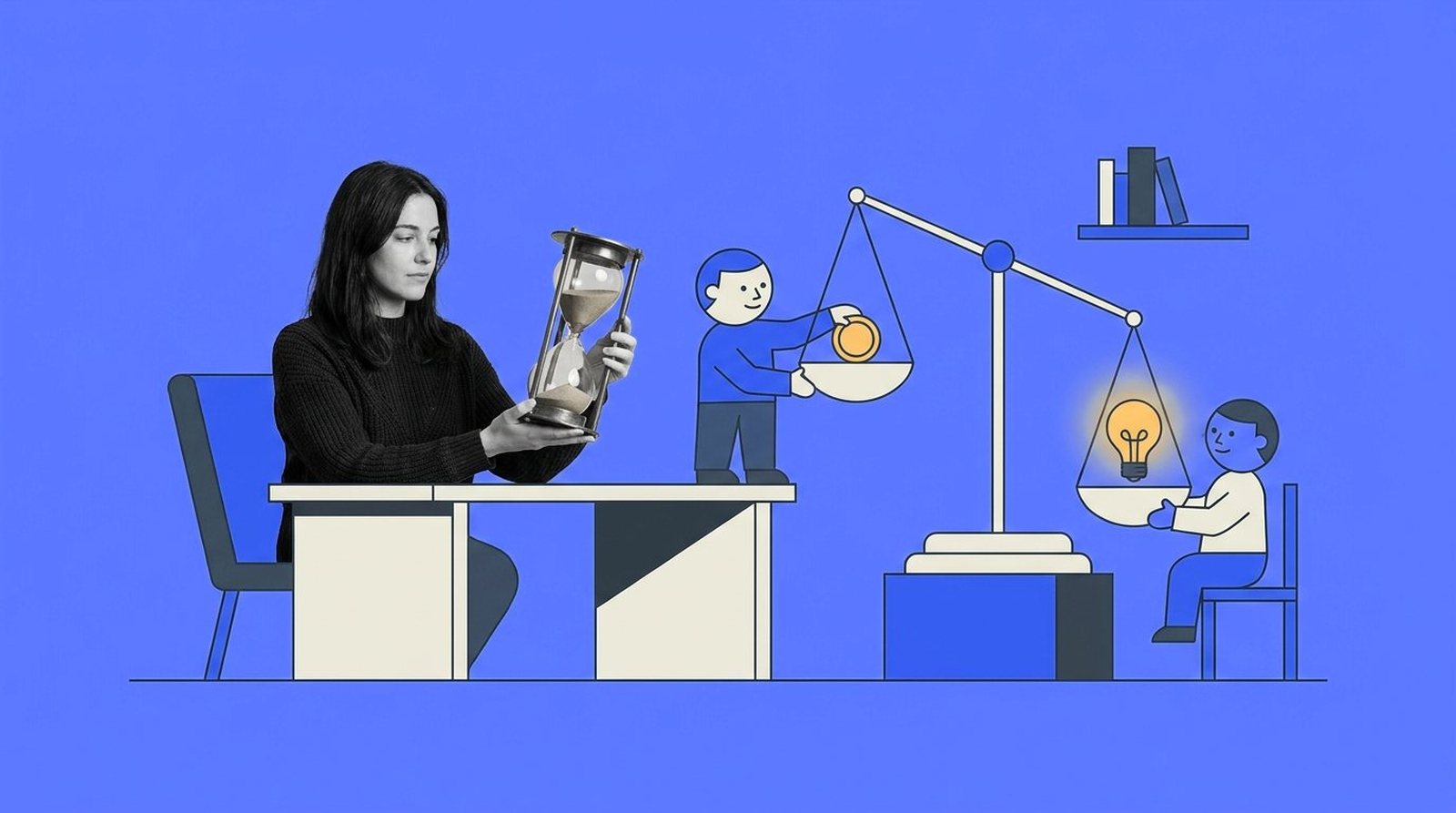
Ask a creative why an AI-generated concept didn't make it into the final work, and the answer is rarely that it had no soul. In Envato's survey of 1,033 creatives, published this autumn, only 5 percent cut AI work for lacking feeling. The main reasons were far more practical: it missed the brief or the vision (34 percent), or it had errors and low quality, from garbled logos to glitchy video (32 percent).
The same survey shows how much gets thrown away. Most creatives generate three to five concepts and keep about two. For three in four, at least half was cut against the brief. Generating is the easy part. Choosing is the work.
The hard part is the second image
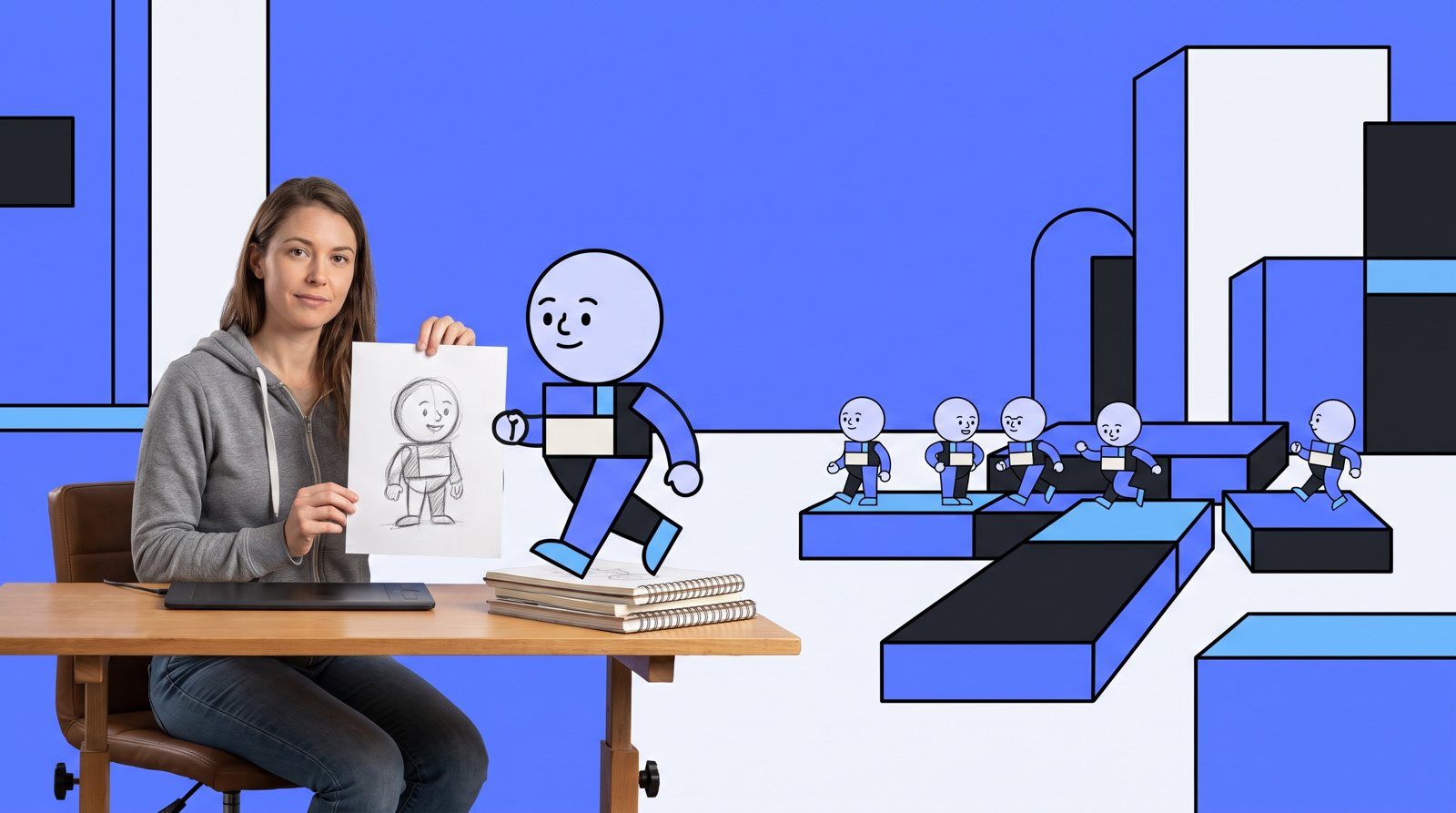
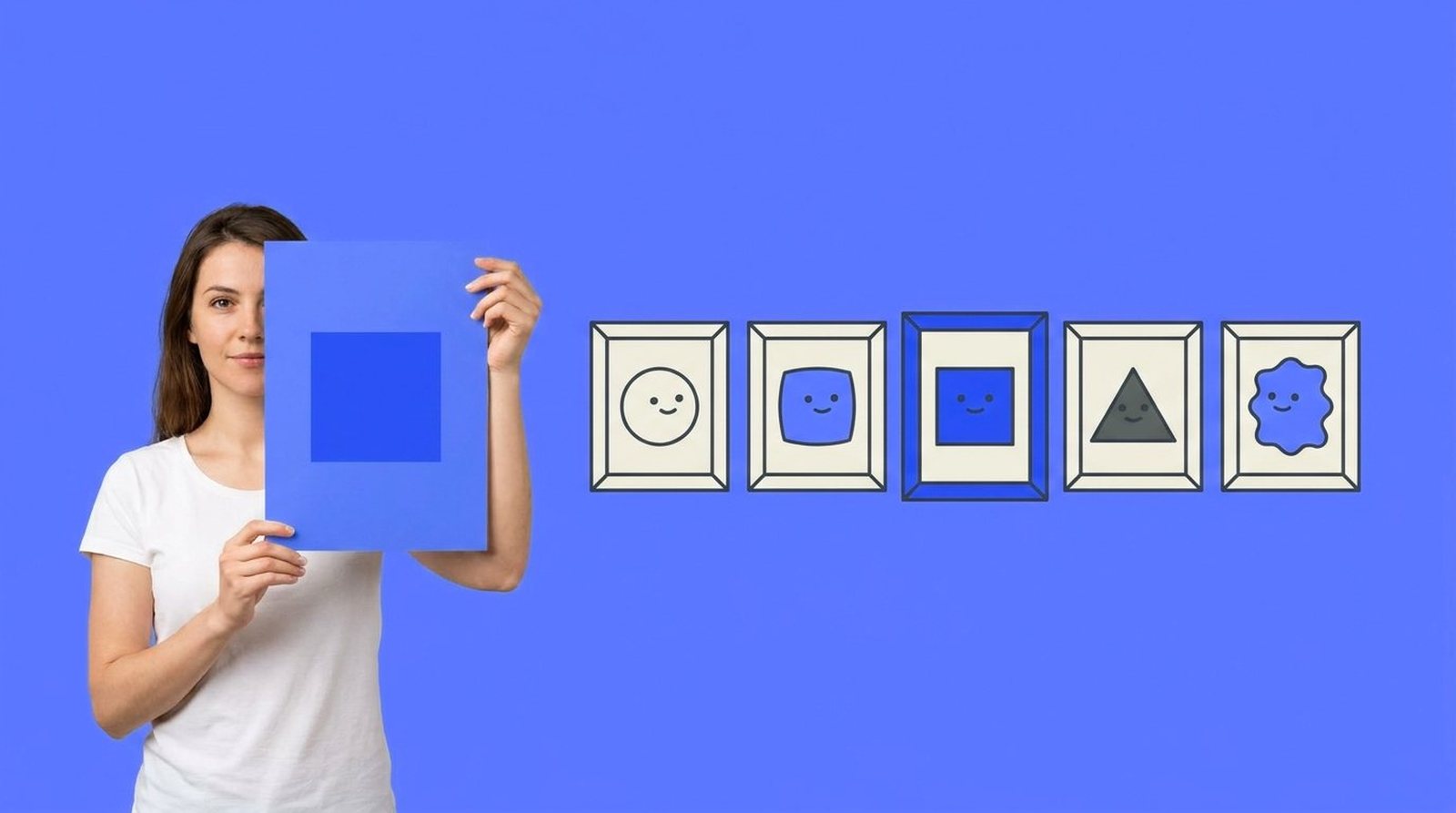
AI can make one great image. The trouble starts when you need a second one that matches. Visual consistency came out as the hardest thing to get across to AI: 31 percent named it the single hardest, 56 percent put it among their top answers. Faces, logos, outfits and styles drift from one generation to the next.
Brands notice. In Dentsu Creative's 2026 CMO Report, 62 percent of marketing leaders say AI-assisted creativity can't yet capture the tone of voice and the look of their brand, and 74 percent are considering dropping some tools for ones trained on their own brand. D&AD adds a warning from London: a studio ran a reverse image search on an AI-generated character it had made for a client, and found another company already using the same one. The client owned nothing unique.
Taste beats prompting
A year ago, prompting was sold as the skill to learn. In Envato's survey it came last of eight things creatives credit for quality (19 percent). Taste and judgement came first (53 percent), followed by craft and the strength of the idea. The reason is simple: models now understand plain language and reference images. Knowing when a polished result is wrong for the brief takes longer to learn.
How to make AI work look like yours
In our own projects, four habits make the difference.
Start with the brief, not the prompt. Everything AI makes is judged against it, so write down what good looks like before you generate anything.
Lock your references first. Colours, type, characters, light, the way your brand frames people. Then check every output against them, frame by frame.
Ask for a few options and cut hard. Two strong ones are worth more than twenty that are almost right.
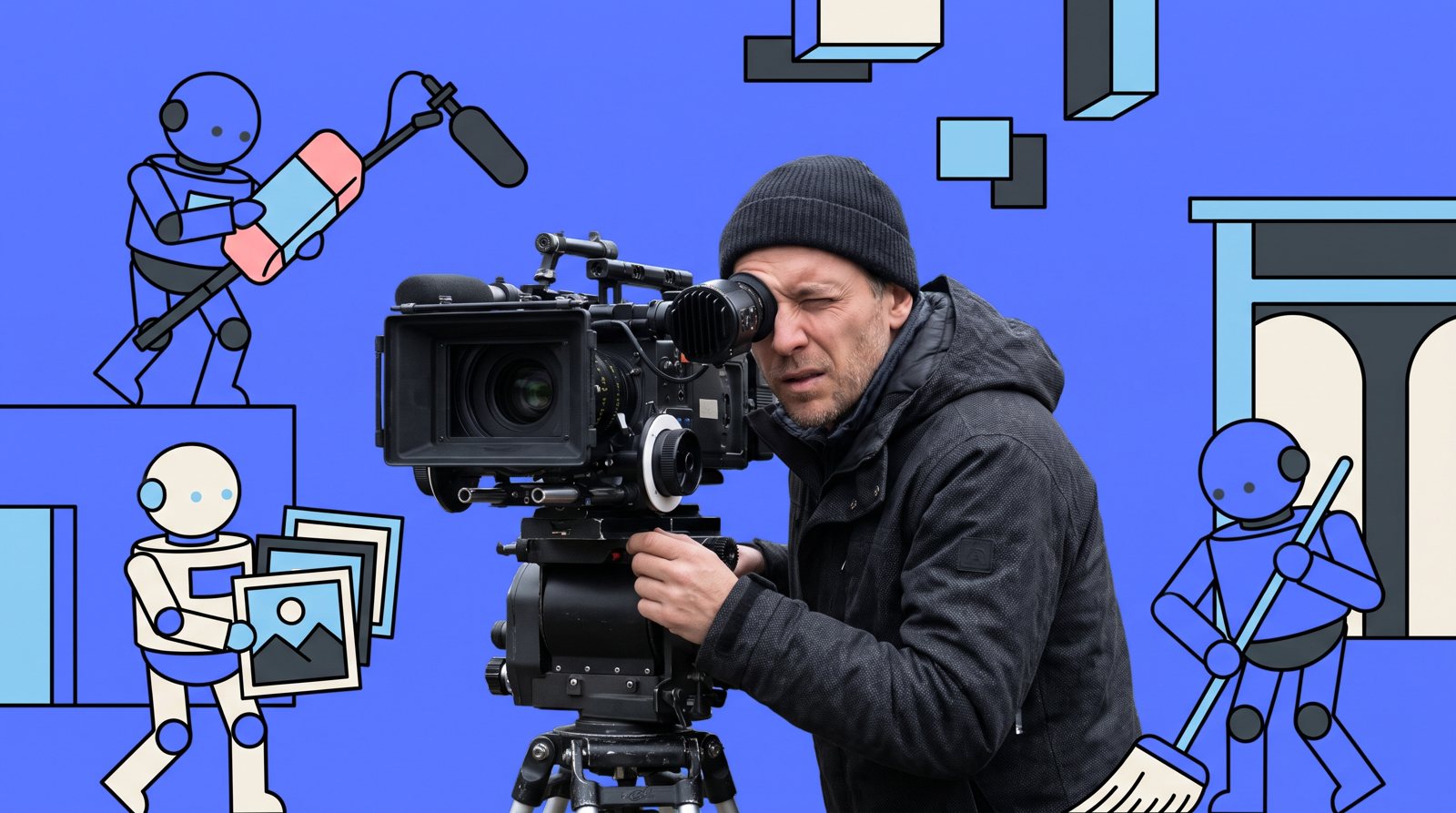
Finish it in the edit. Treat generated material like raw footage: grade it, composite it, cut it together with real shots. Envato found that the edit is where creatives give AI the least freedom, and it is exactly where a film gets its consistency.
And say what was made with AI. Our working rule is on our Human First page: AI makes, a human decides.