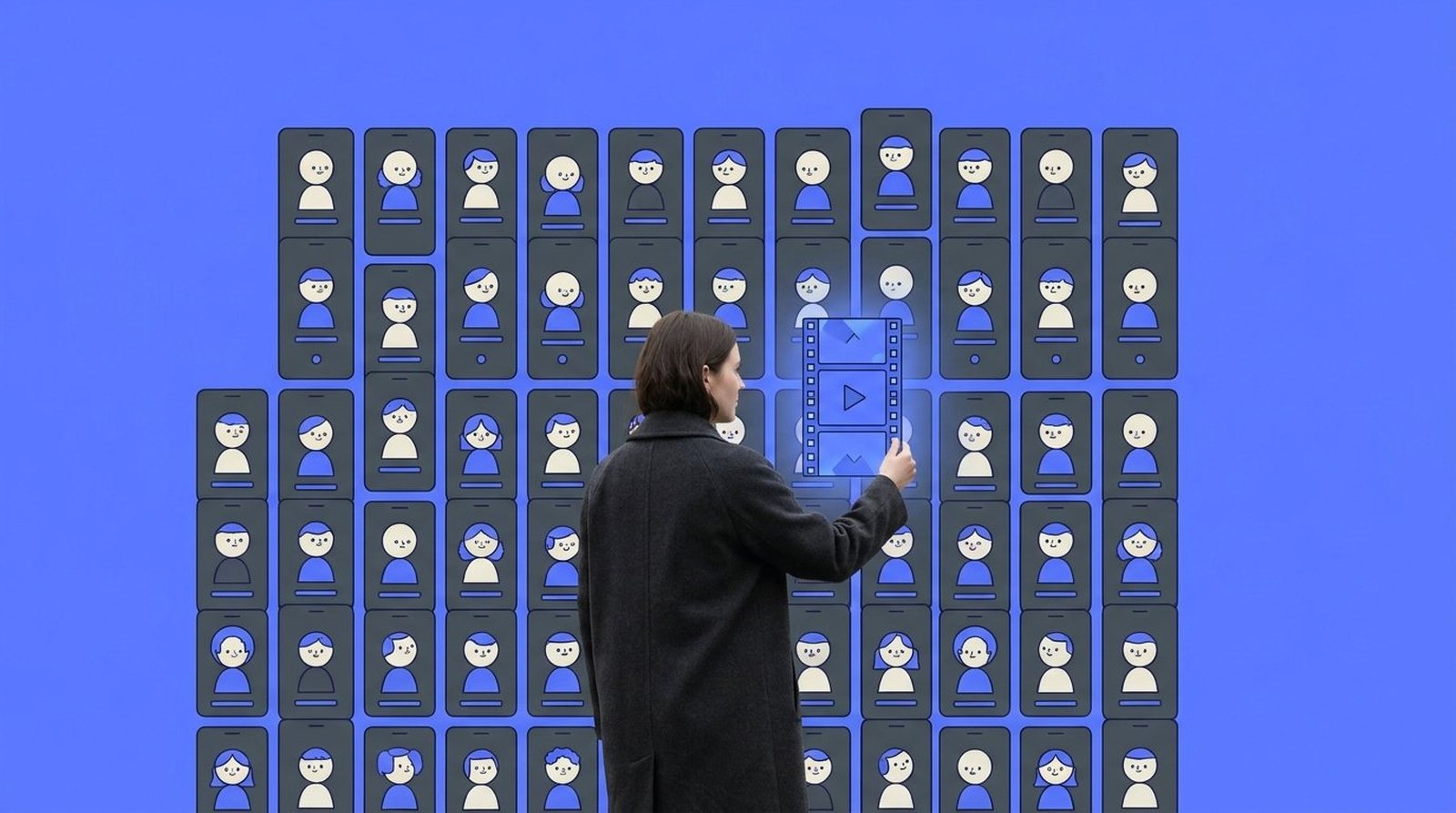
Something shifted this autumn, and it happened quietly, in product announcements rather than in campaigns. On 24 September Meta opened a waitlist for Horizon Create, a tool that turns a written prompt into a mobile game. The part that matters for brands is where those games end up: Meta says they can be played straight from Facebook and Instagram feeds, without downloading anything. On 7 October Google launched Playground, an experiment that does the same in the browser, with Unity building its own editor, Spark, on top of it. Roblox had already started testing a similar tool, Build, inside its mobile app in July. And on 26 October the AI company Higgsfield added a feature that turns a game into a playable ad for nine ad networks, Meta and TikTok's Pangle among them.
Put together, a playable is moving from special project to something much closer to a post.
Making it is no longer the hard part
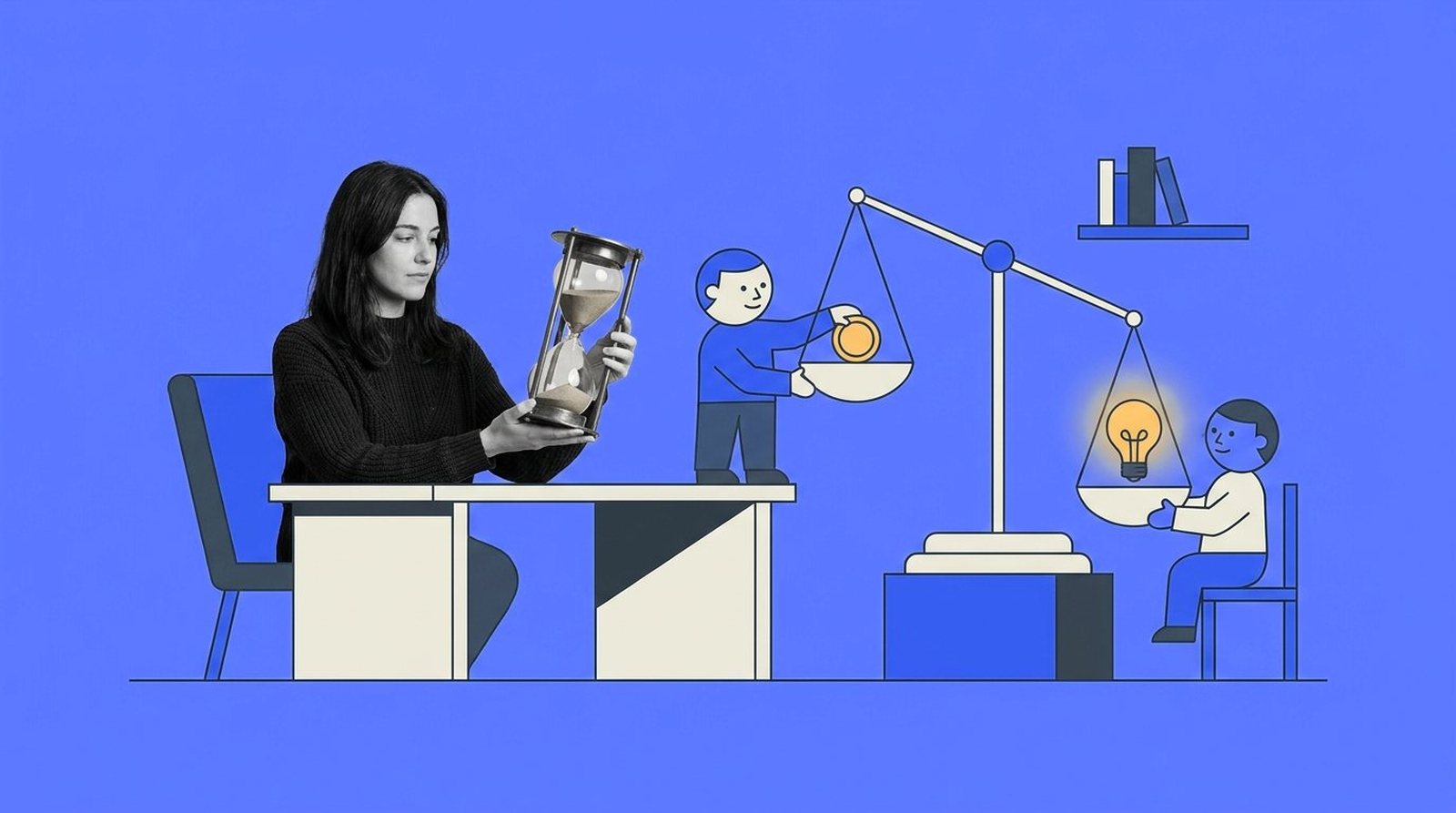
The games analysts at Naavik tested these platforms in October and found that every one of them produced a working game in under twenty minutes. If you remember what a branded game used to take in time alone, that is a remarkable number. The same analysis is honest about what comes next, though. Playing something once is easy. Coming back is the hard part. Based on Sensor Tower estimates, Naavik puts the 30-day retention of the prompt-to-game app Astrocade at around 3 percent, against about 17 percent for Roblox. The models also tend to drift after roughly ten prompts, which limits how far a generated game gets on its own.
So the bottleneck moves. When anyone can generate a game, the value sits in the idea, in how it feels in your hand during the first ten seconds, and in whether it fits the brand so naturally that nobody experiences it as an ad. That is design work, and a prompt does not do it for you.
Why it is worth starting now
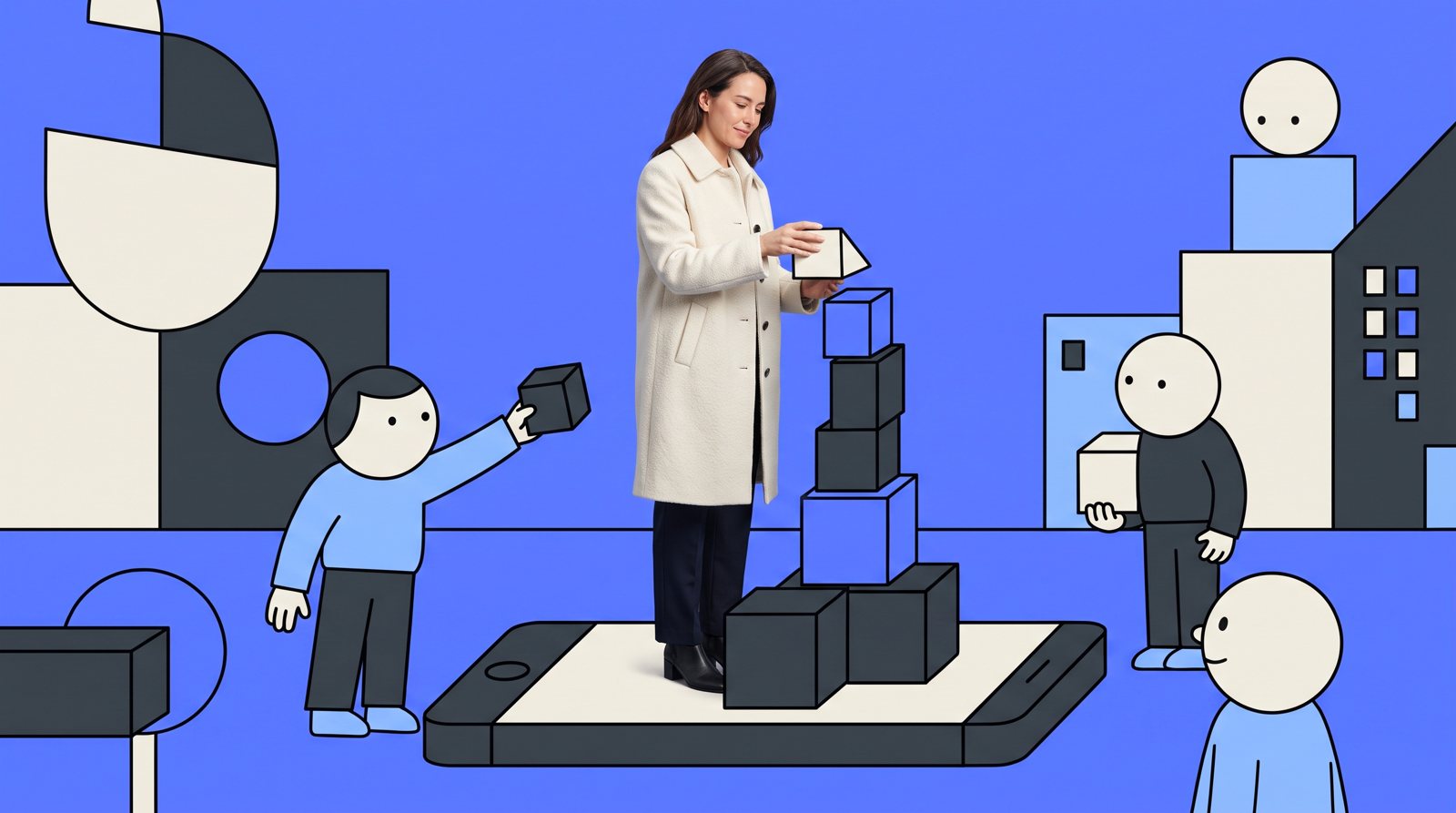
Games are often treated as a big decision: a Roblox world, a separate budget line, a long pitch. For some brands that is still the right route. But these new tools make a smaller first step possible, and that is where we would begin. A short playable built around one gesture that belongs to your brand. Pouring, stacking, catching, sorting, getting the timing just right. Something a person understands without instructions and wants to try again.
Starting early has a plain advantage. Feeds reward formats people are still curious about, and Meta has said openly that reach will depend on whether games are stable, engaging and bring players back. Teams that learn what that means for their own audience now will know what to do once these tools open up to everyone. Teams that wait will be learning it while every competitor's playable sits in the same feed.
A playable also tells you more than a view count does. You see how long someone stayed, where they gave up and what made them have another go. For a campaign team, that is useful feedback long before any bigger investment.
What we would keep in mind
Generated games start to look alike quickly: the same handful of genres, the same physics, the same stock assets. What makes one stand out is what has always made film stand out. A clear idea, good timing, care in sound and image, and the feeling that someone chose every detail. A game is also a small promise. If it is slow or confusing, people remember the brand along with the frustration.
There are open questions too. Meta has not yet said how monetisation will work, Google calls Playground an experiment, and much of what was announced still sits behind a waitlist. To us that is a reason to start small and learn as you go.
If you are curious what a playable version of your brand could feel like, we are happy to think along.